VILLA ZEYTIN · NORTH CYPRUS
Day trips across North Cyprus
Plan a day beyond the villages around the villa. Explore the places, routes and practical details that help you choose an outing.
Choose a day trip
Famagusta / Gazimağusa
Famagusta is built on a massive scale. Its heavy Venetian walls surround a historic centre that includes the Lala Mustafa Pasha Mosque, Othello Castle and several ruined Gothic churches. Give the old town plenty of time. This is a place to explore slowly, with Ottoman, Lusignan and modern history close together.
Salamis and the Famagusta Plain
Salamis is a wide archaeological site with columns, Roman baths, a theatre and the remains of early basilicas beside the sea. The site is open to the sun, so bring water, wear good walking shoes and avoid the midday heat. With a full day, St Barnabas or Enkomi can add useful context.
The Karpaz
The Karpaz Peninsula stretches out into a quiet, narrow finger of land defined by small villages, open coast, and empty roads. A drive down the peninsula takes you through Boğaz, Büyükkonuk, Mehmetçik, and Dipkarpaz, ending at the remote ruins of Ayios Philon and the Apostolos Andreas Monastery.
Güzelyurt, Soli, Vouni and Lefke
This region is ideal for travellers looking for quiet history rather than major tourist sights. The landscape is shaped by citrus groves, ancient olive trees, the ruins of Soli, hillside Vouni, and the old mining heritage of Lefke. It offers a much slower, rural pace than the north coast and shows a completely different side to the island.
Famagusta: Exploring the Walled City
Famagusta’s old town is entirely enclosed by massive Venetian fortifications, which set the scale for the whole visit. Before heading into the centre, walk along a section of the ramparts or look at one of the original gates if time and access allow. Notice the sheer thickness of the stone walls, the heavy bastions, and the clear views that once protected the busy harbour. Understanding the scale of these defences helps make sense of the town inside.
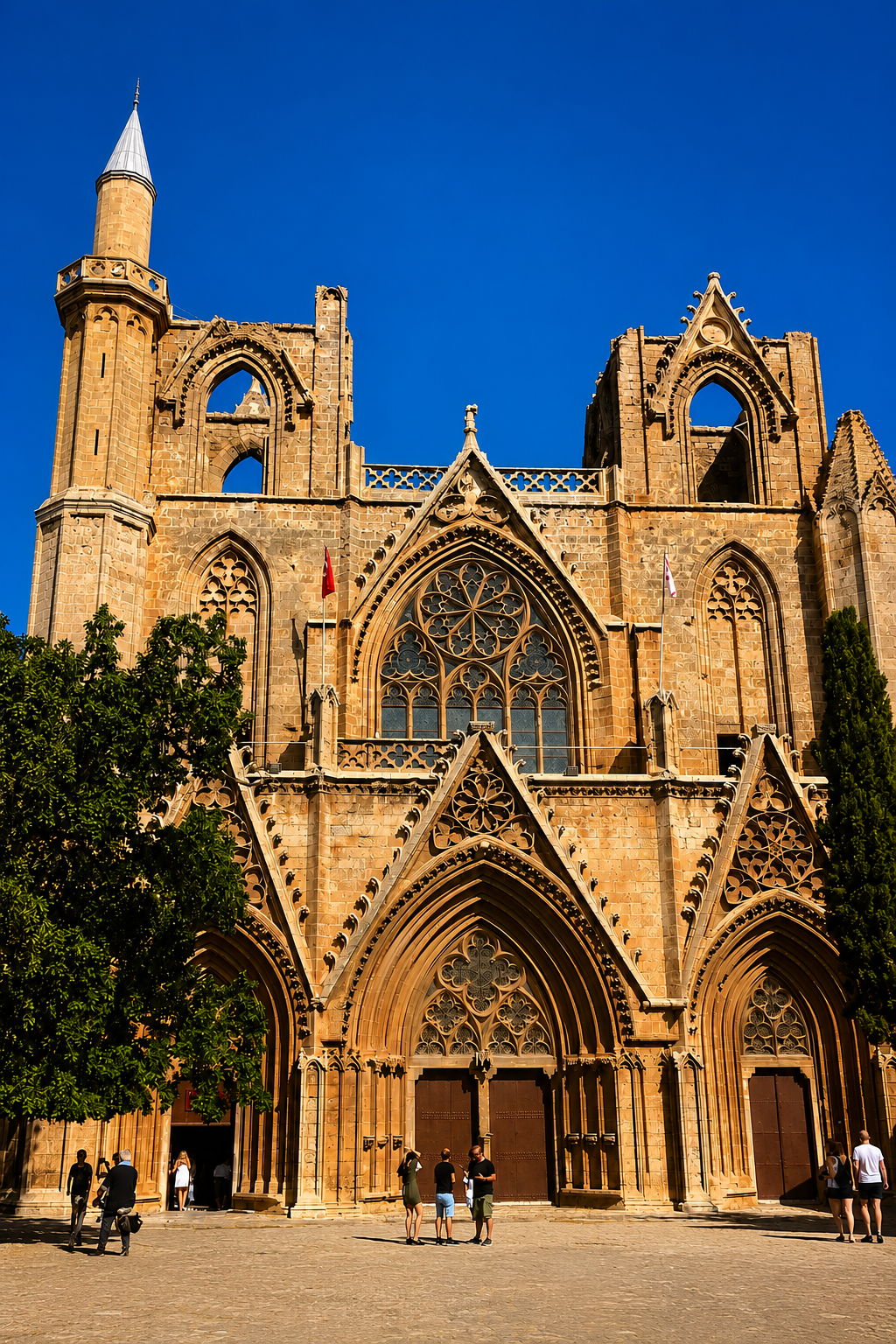
Once inside, the main square is dominated by the Lala Mustafa Pasha Mosque. Originally built as the Gothic Cathedral of St Nicholas, it is now an active place of worship, so please dress and behave respectfully when entering. Just nearby, you can explore the ruined walls of the Venetian Palace, which show another chapter of the town's history.
Finish your walk at Othello Castle, which was built to control the port and guard the sea gates. While famous for its Shakespearean connection, the castle is best appreciated for its straightforward military design,a tough, practical fortress built purely for survival and defence.
Famagusta’s old city is best understood through scale: mosque, square, wall lines and surviving Gothic stone.
Inside the walled city: Beyond the central square
St George of the Greeks
This ruined church serves as a reminder of how tightly packed religious life once was within the city walls. Rather than treating it as a picturesque ruin, focus on its scale and the complexity of its surviving structure. It is evidence of the immense architectural ambition that once defined the city.
The Twin Churches
The Twin Churches provide a clear setting for exploring the history of the Templars and the Hospitallers in medieval Famagusta. They show the intersection of faith, military defence, and mercantile wealth. These structures represent the presence of the great military orders in a city that functioned as a vital gateway between the Levant and Europe.
Canbulat
The Canbulat tomb and memorial provide an essential counterpoint to the Gothic stone that often dominates the narrative of the old city. It brings the Ottoman conquest and the continuity of Turkish Cypriot memory into the visitor’s experience, grounding it within the city’s timeline.
Namık Kemal
The dungeon and museum associated with Namık Kemal introduce the nineteenth century Ottoman experience to Famagusta. His story of exile and intellectual life offers a necessary perspective on the city’s chronology, which spans far beyond the medieval period.
Othello Castle
The primary value of this site is its structural position on the harbour. Use the ramparts and interior spaces to understand how the city defended its sea access. The later literary associations with Shakespeare are a modern addition; they should not distract from the castle’s original purpose as a piece of functional military geography.
Salamis: An archaeological landscape
Salamis is one of the most significant archaeological sites on the eastern coast, consisting of a large expanse of gymnasia, baths, theatres, colonnaded streets, and early Christian basilica ruins. Because the remains lie across open, sun exposed ground directly beside the sea, your visit requires careful planning.
To get the most out of your visit, arrive early before the midday heat takes hold. If it is your first visit, avoid trying to see everything. Instead, start with the central Roman and Late Antique complexes. The sheer scale of the site, the structures and the landscape will give you an idea of the original ancient urban layout.
Basic preparation is vital. Bring plenty of water, wear sturdy walking shoes and plan your visit for the cooler early morning or late afternoon hours. Salamis is rewarding because it gives you the rare chance to walk through the layout of an entire ancient city.
Beyond Salamis
St Barnabas monastery and museum
This monastery and museum complex is the most logical choice if your primary interest lies in the transition from early Christian memory to the later Byzantine period. It successfully links sacred tradition with archaeological display, providing a necessary religious context that the Roman city ruins of Salamis do not offer.
The Royal Tombs
If the monumental Roman architecture of Salamis feels too narrow in scope, the Royal Tombs offer a broader perspective. Burial archaeology allows you to look back into the deeper, pre Roman chronology of the plain. This site works best for visitors who already have an interest in how early funerary practices shaped the landscape before the city’s peak.
Enkomi: Bronze Age remains
Enkomi is important for understanding Late Bronze Age trade and settlement in eastern Cyprus. It needs more background knowledge than a castle or theatre, so add it only when you are happy with a quieter archaeological stop that asks for more imagination.
The road east
The road to the Karpaz Peninsula is long, and breaking the journey is a matter of practical necessity. Rather than rushing toward the peninsula, use these stops to adjust your pace and observe how the landscape evolves from the urban density of Famagusta into the more open, changing horizons of the east.
Yeniboğaziçi
This district links Famagusta, Salamis and the road east. It is a useful place to pause, but its value is also in the atmosphere. It reminds the traveller that this is a developing, lived in part of the island, not empty space between major historical sites.
İskele
With its concentration of fuel stations, shops, and cafés, İskele functions as the primary logistical hub of the east. It is here that the coastal character begins to shift, moving away from the specific urban identity of Famagusta and toward the more varied regional life of the northeast.
Long Beach
This stretch of the east coast is shaped by rapid growth and dense infrastructure. It can be practical for walking or facilities, particularly for families.
Boğaz
Boğaz offers a modest harbour and a predictable line of fish restaurants. It is a great place to eat and reset before the landscape thins out and you push further toward the peninsula.
Bafra
Bafra is a dedicated hotel and resort area, distinct from the village settlements elsewhere on the island. It is useful if your priority is immediate facilities or reliable services, though it offers little village texture.
Tatlısu
As you pass Tatlısu, notice the shift in the horizon. The development density begins to drop and the landscape opens up, signalling your gradual approach to the Karpaz. Do not mistake this transition for the peninsula being close; you are entering a new, longer phase of the journey, but the Karpaz itself remains a significant drive away.
Villages and sights in the Karpaz
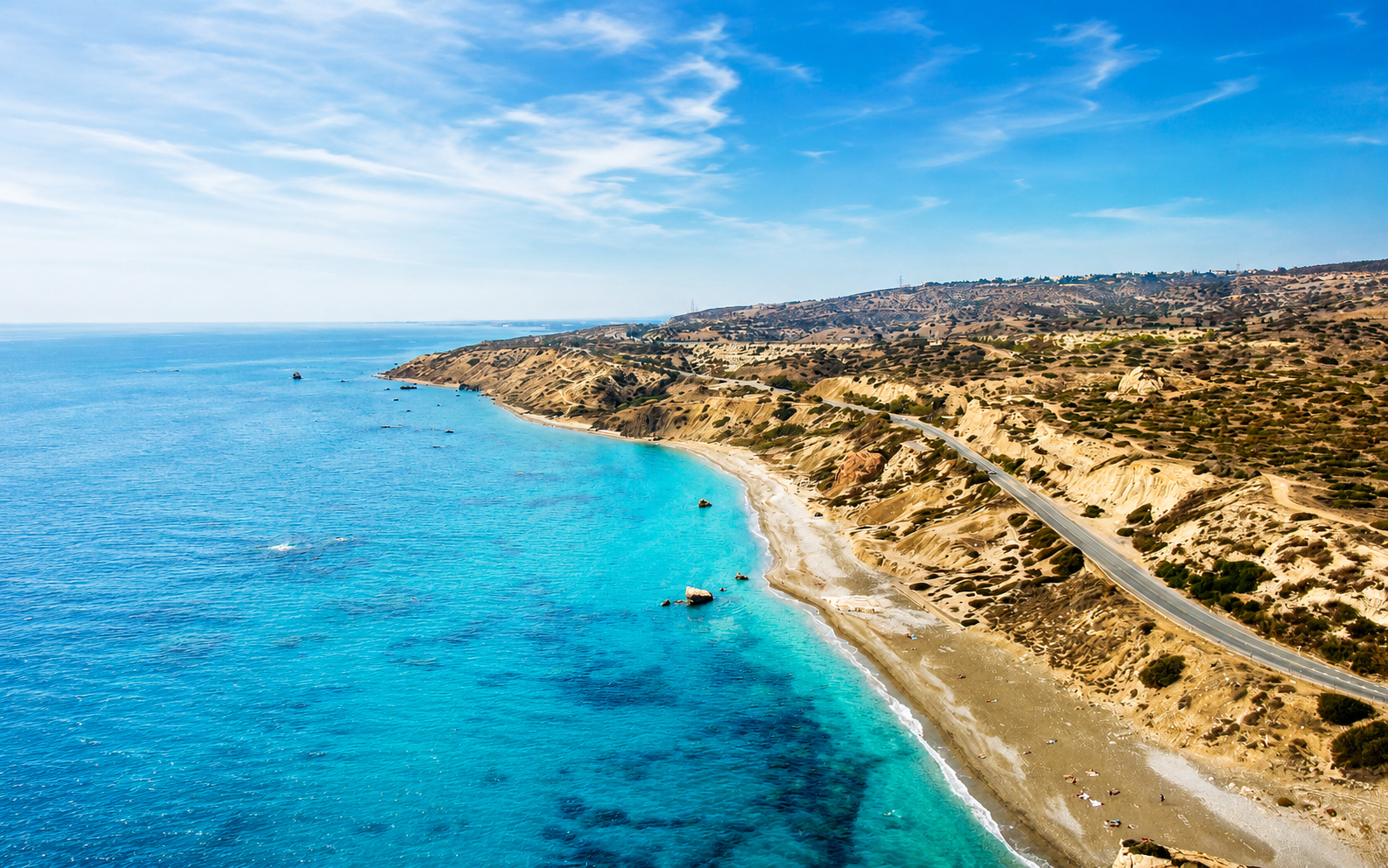
The Karpaz Peninsula is often treated as a race to reach Golden Beach. The coastline is the image many visitors recognise first, but the villages, small settlements and long interior road explain the peninsula more fully. The Karpaz is a place of settlement and tradition as much as open coast.
Büyükkonuk and Mehmetçik
These settlements are an essential stop to break up a long drive. Büyükkonuk, known for its focus on eco tourism and traditional rural architecture, provides a setting to observe the persistence of village life. Mehmetçik, historically linked to the region’s agricultural identity, offers a similarly grounded atmosphere. Stopping here allows you to understand the Karpaz as a lived in, agrarian landscape, rather than a remote frontier.
Sipahi / Ayios Trias
As you move further into the peninsula, the village of Sipahi offers a significant connection to the region’s Byzantine past. The remains of the Basilica of Ayios Trias, with its notable mosaic floors, demonstrate the historical complexity of this area. It is a site that requires you to look beyond the immediate structure to understand the peninsula’s long standing role in Christian history.
Dipkarpaz / Rizokarpaso
Dipkarpaz is the principal settlement near the peninsula’s end and a place of dual heritage. It should be understood as a functioning village before the road continues towards the exposed northern coast.
Ayios Philon
Located near the northern shore of Dipkarpaz, the ruins of the basilica at Ayios Philon offer an intimate look at early Christian coastal archaeology. The site is a stark illustration of how faith and trade were integrated along this rugged shoreline. Unlike the monumental sites of the central plain, Ayios Philon is defined by its exposed, seaside character.
Apostolos Andreas
This monastery remains one of Cyprus’s active pilgrimage sites. Its religious function comes before the surrounding coastal views. Visit quietly and treat it first as a place of devotion.
Golden Beach/Altınkum
Golden Beach/Altınkum is a fragile, wildlife sensitive environment that requires careful stewardship. Its international fame should not lead to its exploitation. The peninsula’s appeal is diminished, not enhanced, by driving off road tracks or treating this coastline as an empty playground. Your movement here should be minimal and deliberate; prioritise conservation over access to ensure this landscape remains intact.
Güzelyurt, Soli, Vouni and Lefke
Geçitköy Reservoir marks the change from the Kyrenia coast towards the agricultural west.
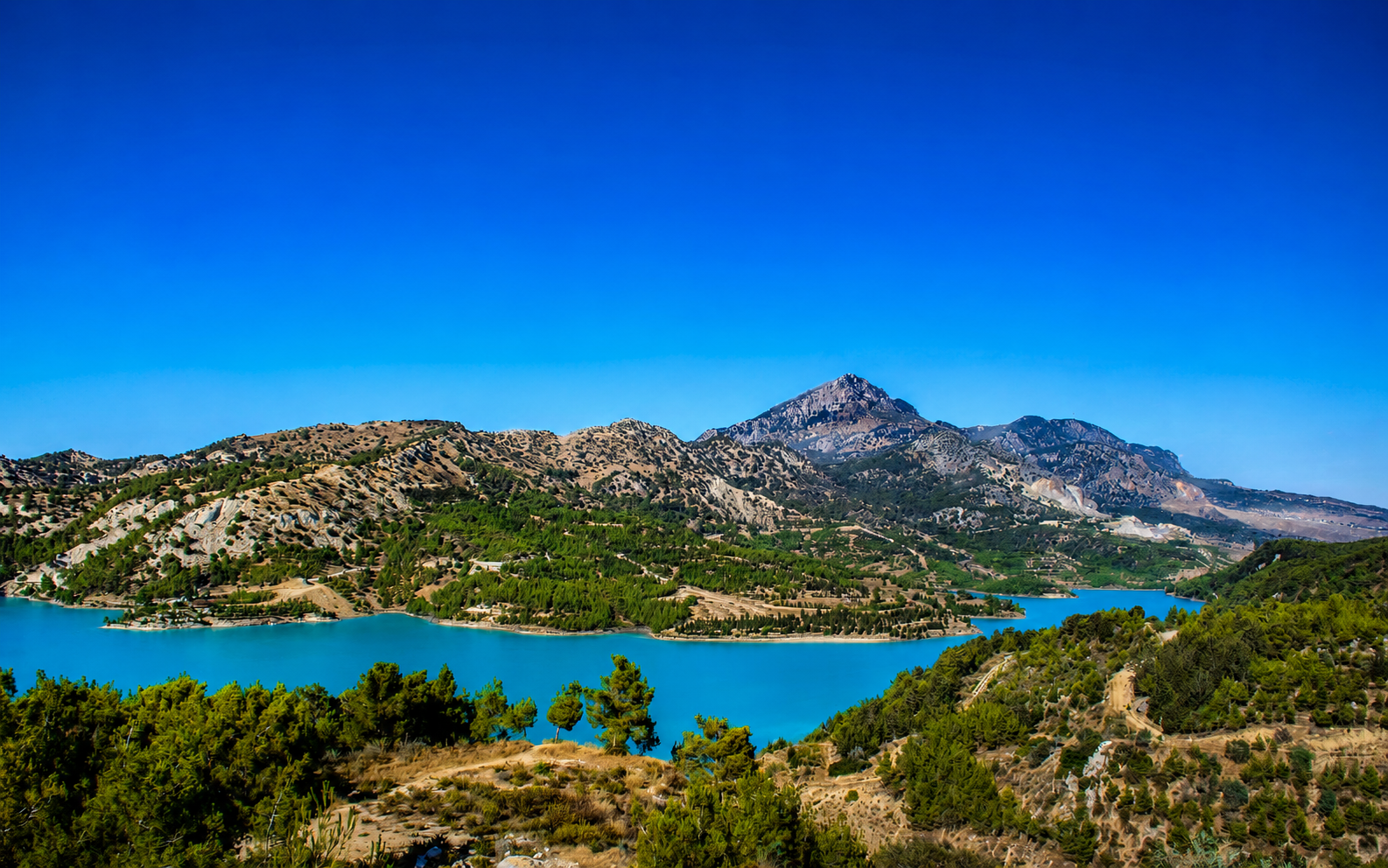
From Karşıyaka, the western route is geographically more natural than many visitors realise. Geçitköy Reservoir marks the transition away from the dense north coast strip. Around Güzelyurt/Morphou, agriculture and citrus change the landscape.
Kalkanlı’s monumental olive trees add a living agricultural and landscape memory stop. Soli places ancient history close to the western coast; Vouni occupies a hilltop position with a different relationship to sea and plain; Lefke adds old houses, date palms, gardens and mining associations.
Frequently asked questions
Can we do Famagusta, Salamis and the Karpaz in one day from Karşıyaka?
You can create a very long drive. We do not recommend it as good travel. Famagusta and Salamis already make a substantial day; the Karpaz deserves its own route.
Is Boğaz worth stopping at?
Yes when you need a harbour meal and break on the eastward road. Its usefulness is part of the appeal.
Should we stay overnight in the Karpaz?
From the west Kyrenia coast, usually yes. An overnight turns the peninsula into a visit rather than a test of driving endurance.
Is the western day worth it on a first trip?
For travellers interested in archaeology, agriculture and a different landscape, absolutely. It also balances the usual Kyrenia and Famagusta emphasis.