VILLA ZEYTIN · NORTH CYPRUS
Koruçam / Kormakitis Maronite village guide
A guide to the Maronite village and its setting. Read about the village, places to see and practical details for a visit from Karşıyaka.
A village with two names and a distinct community history
You’ll see two names used for the village: Kormakitis is the traditional Greek and Maronite name, while Koruçam is the Turkish name you’ll see on modern road signs and maps. Both are useful to know when you're navigating or reading up on the area.
Kormakitis is an important centre for Cyprus’s Maronite community. Many families return for weekends, church feast days and holidays, so a Sunday can feel much busier than a weekday.
Visiting the village
The churches, houses and cafés belong to a living village. Stay in public lanes and ask before photographing people or services.
Church life is the heart of the village
The churches remain part of community life. Visit respectfully and check whether interiors are open before entering.
St George
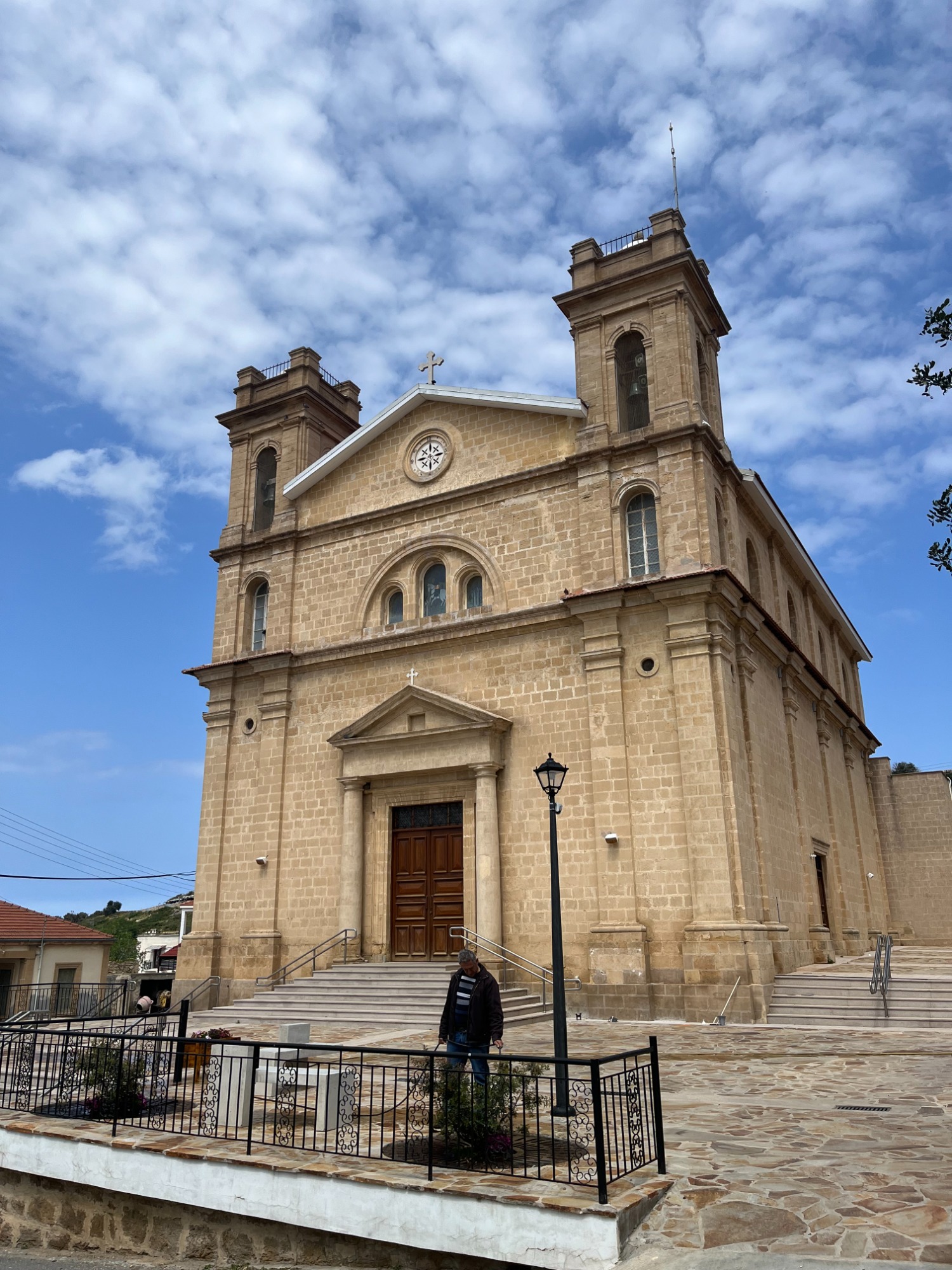
St George is the main landmark beside the village square and an active Maronite cathedral. Access depends on services and community events.
Old St George Church
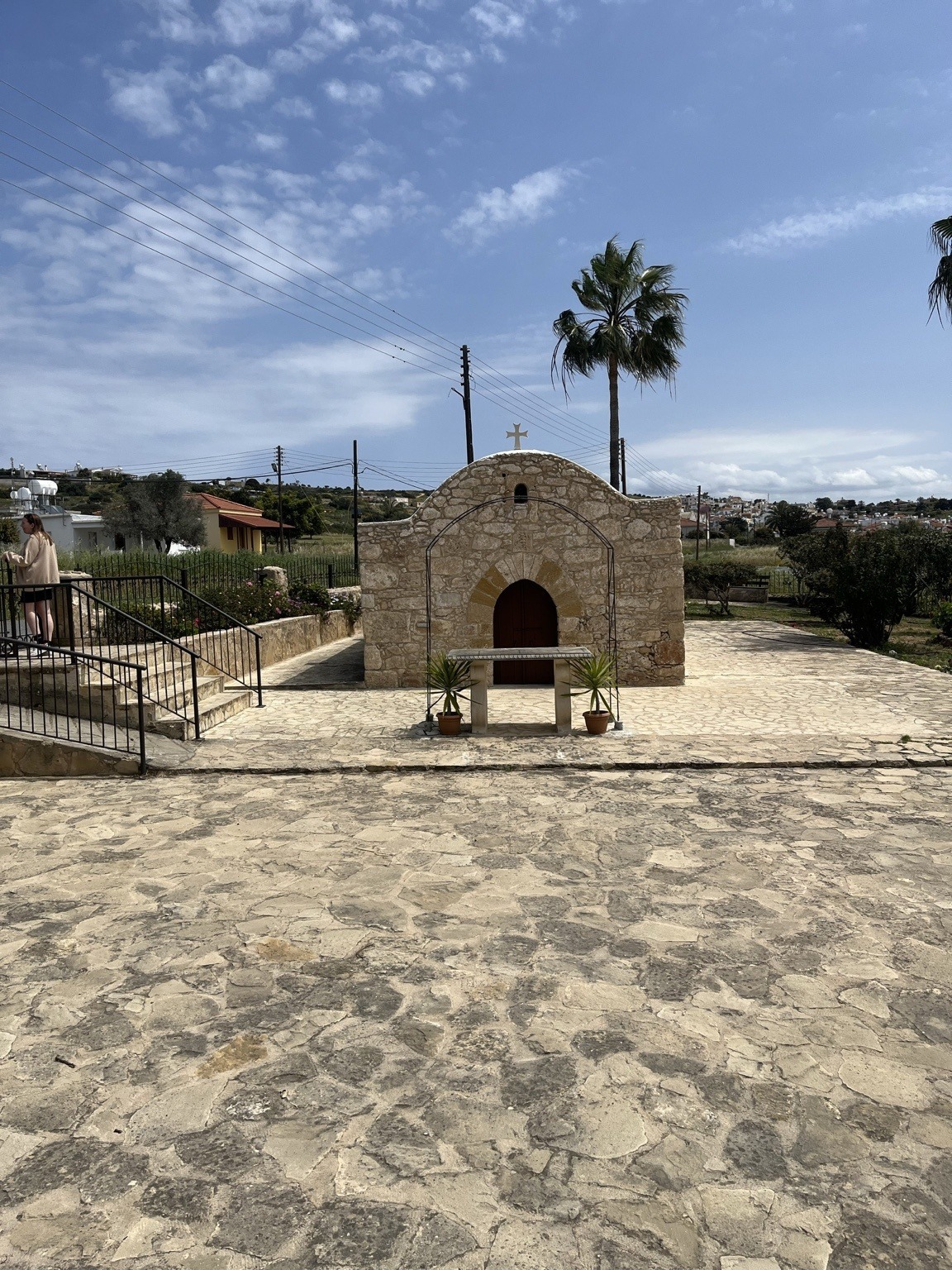
Old St George is a sixteenth-century church beside the former nunnery. It has been restored through the Technical Committee on Cultural Heritage.
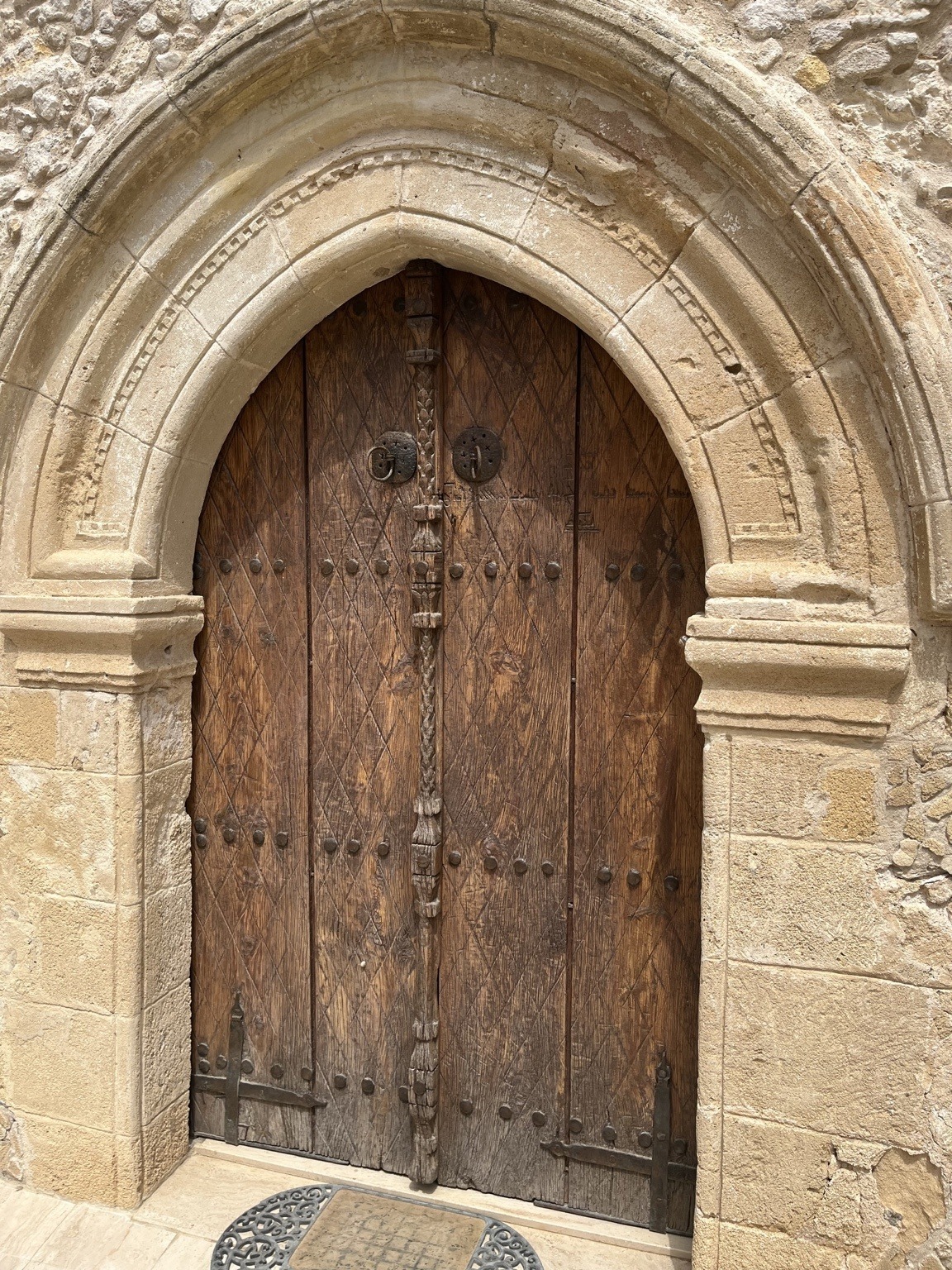
Stone, timber and church fabric are part of the village at close range, not separated behind a formal heritage compound.
Sanna: a language carried through community life
Sanna is the local name for Cypriot Maronite Arabic, an endangered language associated with the community in Kormakitis.
Families and local language projects are working to keep Sanna in use. You may hear it during a visit, but it is part of daily life rather than a visitor performance.
Sanna in village life
The value lies in seeing how signs, family return, church life and language still meet in one small village.
What to notice on foot
The church square
Start your walk around St George. Notice how naturally the historic religious buildings blend right into ordinary residential streets.
Stone houses and village lanes
Look for restored stone houses, balconies and closed shutters along the lanes. Some families spend part of the week elsewhere, so a closed house is not necessarily abandoned.
Language and naming
Kormakitis and Koruçam can both appear in research and navigation. The dual naming is part of the island’s history and modern geography.
Weekend change
Keep in mind that a quiet afternoon visit only shows you one side of the coin. The village truly comes alive when families return for church services and community events.
Stop for a local meal
Allow time for lunch or coffee in the village.
Yorgo Kasap Restaurant
Yorgo Kasap is a village restaurant to consider for lunch. Check its opening arrangements before driving over, particularly on a weekday.
Keep it simple: Village menus are often short, seasonal, and based on what’s fresh that day. Go with the flow, ask what’s cooking, and let a relaxed meal be a highlight of your trip.
Ask what is actually being served
A short menu can be part of the appeal. Choose from what is genuinely available and let the meal be part of the day.
Planning your driving route from Villa Zeytin
Kormakitis can be combined with a drive through the countryside west of Karşıyaka.
Leave the Kyrenia corridor behind
From Karşıyaka, the inland roads towards Çamlıbel lead away from the busier coastal strip.
Geçitköy and reservoir country
Depending on your route, you can include the landscape around Geçitköy Reservoir.
Give the village enough time
Allow a couple of hours for the lanes, churches and a coffee. Add longer if you want lunch.
Return through Kayalar
A return through Kayalar adds coastal views. Leave Soli and Lefke for a separate trip if you want a shorter day.
Practical note: check the preferred route, road conditions and current access before travel. Use the Getting Around guide for wider driving and arrival planning.
A quick checklist for a respectful visit
✓Park thoughtfully: Make sure you aren't blocking driveways, narrow village lanes, or church access.
✓ Stick to public lanes: Enjoy the walking routes unless a local explicitly invites you into a private courtyard.
✓ Ask before filming or photographing: Especially when it comes to residents or active church doors.
✓ Keep conversation light: Avoid pressing the older generation for personal stories about political displacement or the events of 1974 unless they choose to share them.
✓ Support local: Grab a coffee, buy a cold drink, or sit down for lunch at a village business.
✓ Accept that church interiors or community spaces may not be open to casual visitors.
Questions about visiting Koruçam / Kormakitis
Are Kormakitis and Koruçam the same place?
Yes. Kormakitis is the Maronite/Greek name; Koruçam is the Turkish name you’ll see on modern road signs.
What is Sanna?
It’s the local name for Cypriot Maronite Arabic, an ancient and endangered language kept alive right here in the village.
Can we go inside the churches?
You are welcome to view the exteriors respectfully anytime. Interior access depends entirely on whether active services or community events are happening.
Is it good for kids?
If your family enjoys scenery, history, and a relaxed drive, absolutely. It's a gentle cultural excursion rather than an busy attraction.
Continue from Kormakitis
Local Area Guide →
See how Karşıyaka, Çamlıbel, Geçitköy and the wider road network west of Karşıyaka fit together around Villa Zeytin.
Things to Do →
Move into actual activities, cultural visits and practical outings across the western Kyrenia district.
Getting Around →
Plan car use, transfers and the practical side of reaching places beyond the immediate coast.
North Cyprus Guide →
Return to the wider destination guide and choose the next part of North Cyprus to understand.